Launch a Private Label Brand in the US: Step by Step
Plan a private label product launch in the USA, from customer research and sourcing to branding, Amazon listings, PPC and a considered DTC expansion.
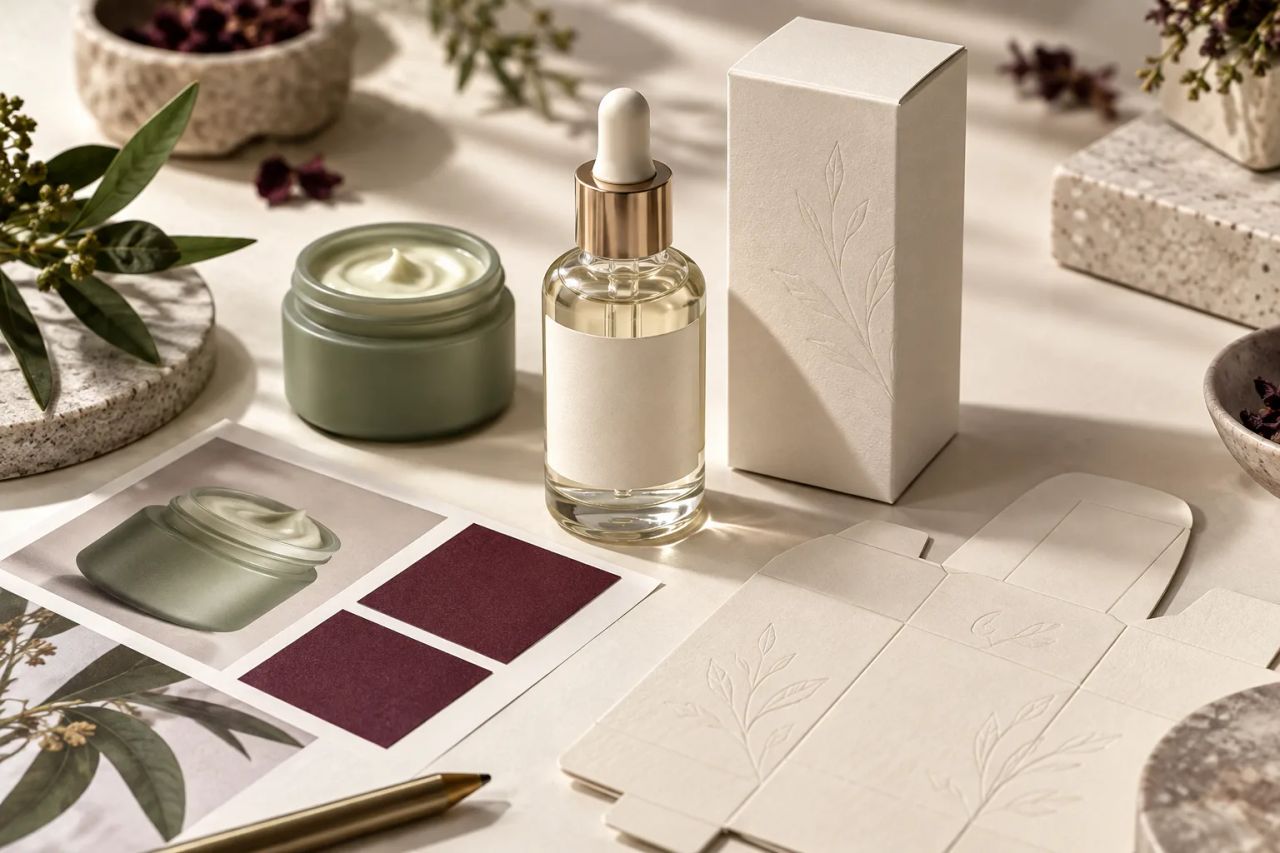
A private label product launch in the USA needs more than a manufacturer and a logo. It needs a clear answer to a buyer's question: why should I choose this product over the alternatives already in front of me?
Start there. The product, packaging, Amazon listing and advertising should all support the same answer. This is a practical sequence for building that connection, from the first idea to a business that can replenish and grow.
1. Define the customer and the gap
Choose a specific use case before choosing a large product range. Read customer questions and reviews, compare competing offers and note the information buyers struggle to find. Separate an actual product limitation from a problem that better instructions or clearer images could solve.
Turn the research into a short brief: who the product is for, when they use it, what needs improving and what would make the offer credible. A list of high-volume keywords is not a substitute for that brief.
2. Validate the product and its economics
Ask suppliers about specifications, samples, minimum quantities, lead times, inspection and the evidence needed for the intended product and market. Verify applicable US and Amazon requirements with suitable specialists before choosing claims, packaging or production quantities. Requirements can vary considerably by category.
Model the full cost of getting a sale, including inventory, freight, selling and fulfillment costs, content, advertising and returns. Reserve money for a second order. If the first batch sells, the business needs to finance replenishment before the next batch starts earning.
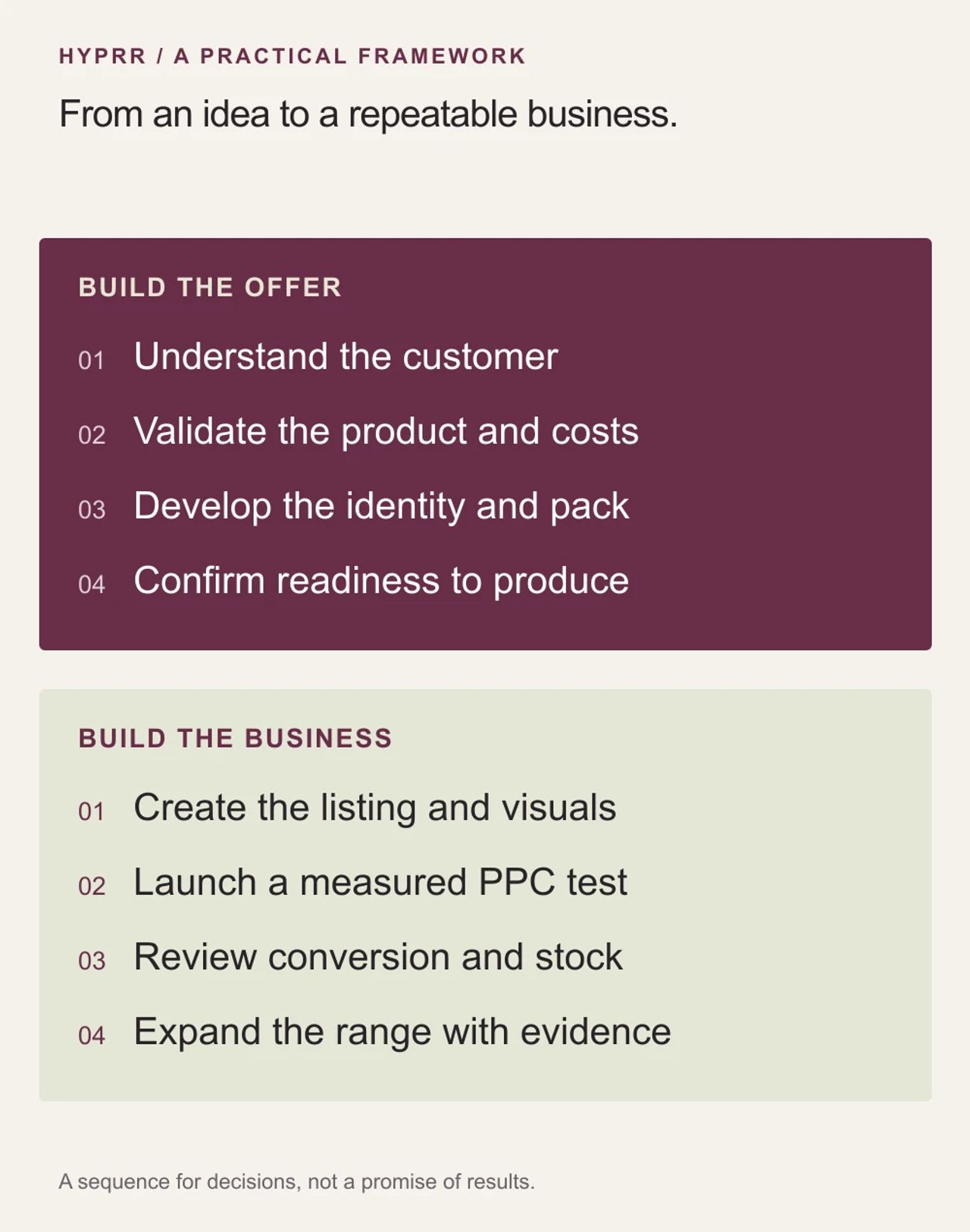
3. Build a brand the product can support
Private label branding should make the offer easier to recognise and understand. Set the positioning, name, visual identity, packaging hierarchy and voice together. Check that information remains legible at the size people actually see on a phone.
Plan brand protection early. Amazon Brand Registry has eligibility requirements, including qualifying trademark requirements; a new brand name alone does not establish access. Confirm the current conditions before making a launch plan dependent on a specific tool.
4. Create a listing that answers buying questions
Organise keyword research around how people describe the product, its purpose and relevant features. Use accurate, natural wording in the title, bullets and description. Do not add terms for features the product does not have just to reach more searches.
Create an image sequence that explains what is included, scale, use and meaningful details. Add eligible A+ Content when it helps explain the product or compare related items. Our Amazon listing optimization service connects those visual and written decisions so the page tells one coherent story.
5. Launch advertising as a controlled test
Use Amazon PPC to test relevant demand with a budget the business can afford. Define which products and queries you are testing, the signals you will review and what would justify increasing spend. Separate a lack of relevant traffic from a page that receives visits but struggles to convert.
Review advertising cost alongside margin, total sales and stock. A lower ACoS alone does not show whether the whole business is healthier. Our Amazon PPC management approach brings campaign structure, search-term learning, bids and budgets into the same discussion.
6. Move from one product to a considered range
A second SKU should have a reason to exist: a complementary use, a real customer preference or a related problem your brand can solve. Each addition also creates another stock, content and replenishment decision.
A DTC store can give the range its own buying experience, but it needs an acquisition plan and its own operating economics. Start with the customer journey and the evidence from the first product. Expanding the catalogue and opening more channels at the same time can make it harder to see what is working.
Build the launch as one connected plan
Hyprr's private label brand launch service connects the steps from product opportunity and sourcing through brand identity, listings, launch and growth. The aim is to make the next decision clear at every stage.
Tell us where your product stands. Whether you have an idea, samples or finished inventory, we can help define the work needed before the next commitment.
Visuals are illustrative brand concepts, not client work or a product endorsement. Platform resources checked September 2026; confirm current requirements before acting.